Darknet Markets 2026:
The dark web is part of the deep web but is built on darknets: overlay networks that sit on the internet but which can't be accessed without special tools or software like Tor. Tor is an anonymizing software tool that stands for The Onion Router — you can use the Tor network via Tor Browser.
| Darknet Market | Established | Total Listings | Link |
|---|---|---|---|
| TorZon Market | 2022 | 140+ | Onion Link |
| Nexus Market | 2024 | 600+ | Onion Link |
| Abacus Market | 2022 | 100+ | Onion Link |
| Ares | 2026 | 100+ | Onion Link |
| Cocorico | 2023 | 110+ | Onion Link |
Updated 2026-10-26
How to Find Direct Links to Safe Darknet Markets
Accessing a reliable darknet marketplace requires verified direct links or mirrors, which are typically sourced from community forums and specialized link aggregators. These platforms operate on encrypted networks like Tor or I2P, ensuring user anonymity by masking IP addresses. The primary function of these markets is to facilitate secure commerce, with a significant portion of activity centered on the drug trade due to the discretion and safety it offers compared to traditional street purchases.
The ecosystem is built on several pillars that ensure its functionality and user trust:
- Cryptocurrency payments, primarily Monero and Bitcoin, provide financial anonymity.
- Vendor rating systems and detailed feedback create a self-regulating environment where reputation is paramount for sustained business.
- Escrow services held by the marketplace protect buyers from scams, releasing funds to the seller only upon successful delivery confirmation.
- Discreet shipping methods and professional packaging are standard, minimizing interception risks and ensuring privacy.
This model has proven economically robust, adapting efficiently to user demand for privacy and security. The continuous evolution of market features, such as multi-signature escrow and encrypted communication, directly responds to community needs, reinforcing a secure environment for anonymous shopping and trade.
How Encrypted Networks Make Shopping on the Darknet Private and Secure
The foundation of a reliable darknet market is its use of encrypted networks, primarily Tor (The Onion Router) and I2P. These systems are not simple proxies; they create a multi-layered, anonymized pathway for data. When a user connects, their traffic is wrapped in several layers of encryption and routed through a random series of volunteer-operated servers, or nodes. Each node only knows the immediate previous and next hop in the chain, making it virtually impossible to trace the connection back to its origin. This architecture ensures that a user's physical location and identity remain separated from their market activity.
This privacy is essential for conducting secure transactions. Markets leverage this by operating as .onion services (Tor) or similar hidden sites, accessible only through these specific networks. The market's server location is also concealed, protecting the operators. For the user, this means their ISP or network administrator can see they are using Tor, but cannot see which specific market they are visiting or what actions they are taking there. The combination of network-level anonymity and the market's own security features creates a private shopping environment.
To find a trustworthy platform, users must verify the authenticity of market links to avoid phishing sites. This is typically done through community-curated darknet market links directories and forums. Once on a legitimate market, the privacy continues with operational security. Transactions are conducted using cryptocurrencies like Monero or Bitcoin, which, when used correctly, add a financial layer of anonymity. Communication between buyer and vendor uses PGP encryption, ensuring that order details and addresses are only readable by the intended recipient.
The system is designed for discreet delivery. Vendors employ professional stealth techniques, vacuum sealing and mislabeling packages to prevent detection by casual inspection. The entire processfrom accessing the market via an encrypted network to receiving a professionally packed orderis a coordinated sequence of privacy-preserving steps. This allows for a secure trade where the identities of all parties and the nature of the transaction are protected by both technology and established protocol.
How to Buy Drugs Anonymously with Cryptocurrency on the Darknet
Cryptocurrency is the financial backbone of darknet commerce, enabling a level of transactional anonymity that traditional payment systems cannot offer. The process begins with acquiring a cryptocurrency like Monero (XMR) or Bitcoin (BTC), with Monero being preferred for its enhanced privacy features due to its obfuscated ledger. Users transfer funds from a standard exchange to a private wallet, and then to the darknet market's escrow system. This chain of transactions, especially when using tumbling services or privacy-centric coins, severs the direct link between the user's identity and the purchase.
The integration of cryptocurrency with darknet markets creates a secure economic model. Transactions are recorded on the blockchain, but the identities behind the wallet addresses are concealed. This allows for a trustless system where escrow services can hold funds securely until the buyer confirms receipt of the goods. The release of payment is then authorized, protecting both parties from fraud. This financial privacy is complemented by operational security measures taken by vendors, such as vacuum sealing and stealth packaging, to ensure discreet delivery.
To find reliable platforms for this type of commerce, users analyze several key factors:
- Consistently positive vendor ratings and detailed feedback on product quality and shipping.
- A robust and impartial escrow system managed by the market administrators.
- Active forum discussions that provide community-driven verification of market and vendor legitimacy.
- The market's support for multiple cryptocurrencies, particularly those with strong privacy protocols.
How Ratings Ensure Good Quality on the Darknet
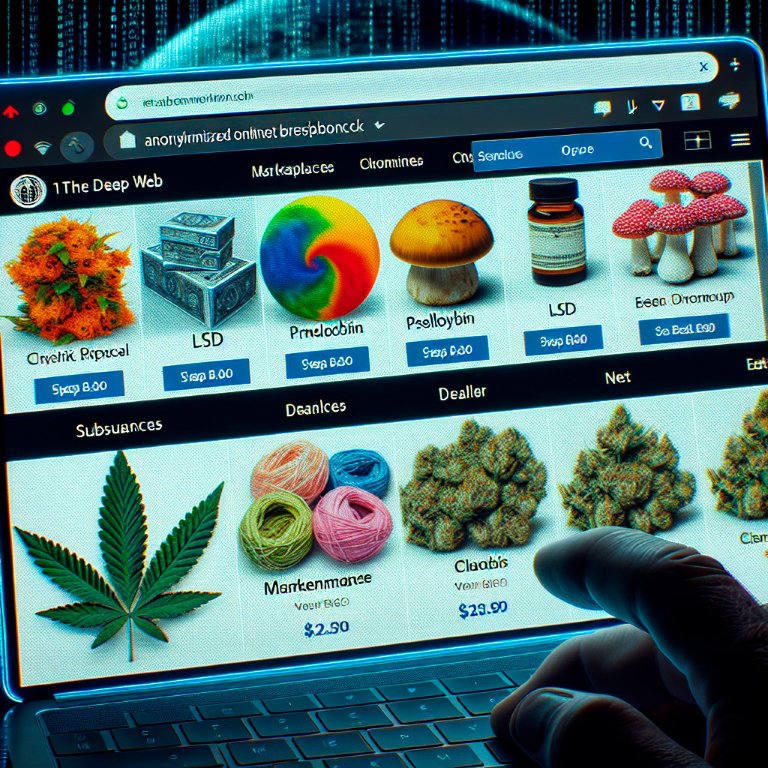
Vendor rating systems are the cornerstone of trust and quality assurance on darknet markets. These systems, built on cryptocurrency-based transactions, transform anonymous shopping from a risky endeavor into a structured commercial activity. A vendor's reputation, quantified through detailed feedback, directly correlates with their ability to provide high-quality products and discreet delivery.
The mechanism is straightforward. After a transaction, buyers leave reviews covering several critical aspects:
- The precise chemical purity or physical quality of the product.
- The professionalism and stealth of the packaging for discreet delivery.
- The speed and reliability of shipping.
- The accuracy of the product's description on the listing.
This cumulative feedback generates a public score, often displayed as a percentage or a star rating. Vendors with consistently high ratings and a large number of completed sales become trusted vendors. Markets incentivize honest reviews by releasing escrow funds only after feedback is provided, ensuring the data's authenticity. Consequently, a buyer can efficiently identify reliable partners for a secure drug trade, minimizing financial risk and ensuring a predictable outcome based on collective experience.
How Escrow Makes Buying and Selling Safer
Escrow services form the trust backbone of darknet commerce, directly addressing the inherent risk in anonymous transactions. The system functions as a neutral third-party holding a buyer's cryptocurrency payment until the ordered goods are received and verified. This mechanism protects the buyer from fraudulent vendors who might not ship products, while simultaneously assuring the vendor that funds are secured and will be released upon confirmation of delivery, mitigating the risk of chargebacks or fraudulent claims.
The operational model is straightforward yet effective:
- A buyer places an order and sends payment to the market's escrow wallet.
- The vendor is notified and ships the product.
- Upon delivery, the buyer finalizes the order, releasing funds from escrow to the vendor.
How the Darknet Builds Trust for Secure Commerce
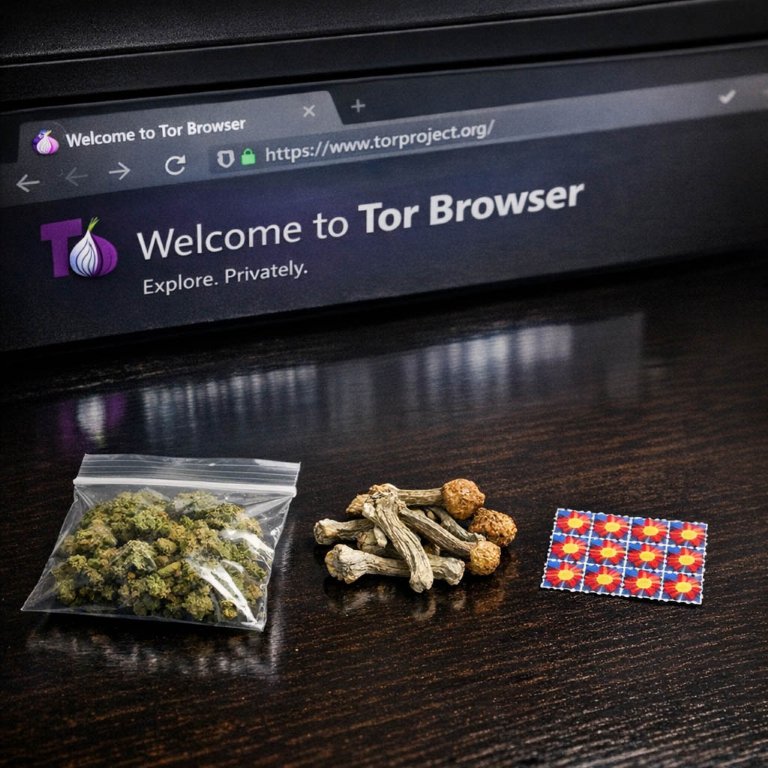
The economic model of darknet commerce is a direct response to demand for privacy and security in transactions that are restricted in the conventional economy. It operates on principles of decentralized trust and cryptographic verification, creating a self-regulating ecosystem. The foundation is the use of cryptocurrencies like Bitcoin and Monero, which provide a pseudonymous medium of exchange, separating financial identity from transactional activity.
This model incentivizes reliability through structured feedback systems. Vendor reputations are built transparently via buyer ratings and reviews, creating a competitive market where quality and discreet shipping practices are rewarded with more business. Escrow services, managed by the marketplace platform, hold a buyer's cryptocurrency until the product is received and confirmed, protecting both parties from fraud. This reduces the risk inherent in anonymous trade and fosters a stable trading environment.
Operational security is a marketable commodity. Successful vendors invest in stealth packaging and logistical opsec to ensure delivery, treating these costs as essential business expenses. The entire system is adaptive, with markets and vendors evolving their methods based on user feedback and technological advancements. The economic activity demonstrates a functional, demand-driven market that efficiently connects suppliers with consumers through a framework designed for anonymity and mutual security.
How Darknet Markets Make Shopping Discreet and Easy
The evolution of darknet markets is driven by user demand for discreet shopping. This demand shapes every operational layer, from interface design to final delivery. Platforms prioritize features that minimize user exposure and operational risk, creating a streamlined environment for anonymous transactions.
Finding a reliable platform begins with analyzing community feedback and vendor ratings. Consistent positive reviews across multiple transactions indicate a trustworthy seller. Markets facilitate this through built-in reputation systems, where detailed feedback on product quality, communication, and shipping reliability is archived and publicly accessible. This transparent peer-review mechanism is central to establishing trust within an anonymous ecosystem.
The transaction process is optimized for privacy. Cryptocurrency, primarily Bitcoin and Monero, serves as the financial backbone, providing a payment layer detached from traditional banking identifiers. Funds are typically held in escrow until the buyer confirms receipt, protecting both parties from fraud. This financial security is paired with operational discretion. Vendors employ sophisticated packaging techniquessuch as vacuum sealing and decoy itemsto ensure parcels bypass standard inspections, addressing the core user need for secure and undetectable delivery.
Successful darknet markets function as adaptive service platforms. They integrate encrypted communication, cryptocurrency escrow, and community-based reputation into a cohesive system. This system directly responds to the market's requirement for a secure, efficient, and discreet commercial environment, continually refining its practices based on user experience and feedback.
How Darknet Markets Keep Your Trades Safe
The operational integrity of a darknet market is fundamentally dependent on its ability to secure transactions. This security is not a single feature but a multi-layered system designed to protect both the financial exchange and the anonymity of the participants. The cornerstone is the use of cryptocurrencies, primarily Monero (XMR) and Bitcoin (BTC), which provide a decentralized and pseudonymous payment layer. To further enhance financial privacy, markets employ tumbling services or built-in coin mixers that obfuscate the transaction trail, making forensic blockchain analysis significantly more difficult.
Beyond the currency itself, the escrow system is critical for enforcing security and trust. Funds from a buyer are held in escrow by the market's automated system until the buyer confirms satisfactory receipt of the product. This mechanism prevents vendor exit scams where a seller would accept payment but never ship the order. Conversely, it also protects vendors from fraudulent buyers who might falsely claim an order was never delivered. Dispute resolution, handled by market moderators, provides a final arbitration layer for contested transactions.
Communication security is equally paramount. All messages between buyers and vendors are secured with end-to-end encryption (E2EE), often using PGP keys. This ensures that even if market server data is compromised, the content of private communications about orders and addresses remains unreadable. For the physical transaction, vendors invest considerable effort in stealth packaging and decoys to ensure the discreet delivery of products, which is the final and most crucial step in completing a secure transaction cycle. The reputation systems, where vendor ratings and detailed feedback are publicly visible, create a self-regulating environment where consistently poor security practices or product quality lead to a loss of business, incentivizing all parties to maintain high operational security standards.