Darknet Markets 2026:
The dark web is part of the deep web but is built on darknets: overlay networks that sit on the internet but which can't be accessed without special tools or software like Tor. Tor is an anonymizing software tool that stands for The Onion Router — you can use the Tor network via Tor Browser.
| Darknet Market | Established | Total Listings | Link |
|---|---|---|---|
| TorZon Market | 2022 | 140+ | Onion Link |
| Nexus Market | 2024 | 600+ | Onion Link |
| Abacus Market | 2022 | 100+ | Onion Link |
| Ares | 2026 | 100+ | Onion Link |
| Cocorico | 2023 | 110+ | Onion Link |
Updated 2026-10-26
How Darknet Markets Build Trust for Safe Trade
The operational foundation of a darknet marketplace is its cryptocurrency-based escrow system. When a buyer initiates a transaction, funds are locked in a multi-signature wallet controlled by the marketplace, not released directly to the seller. This mechanism ensures payment is only finalized after the buyer confirms satisfactory receipt of goods. The system inherently reduces fraud, as sellers are incentivized to fulfill orders accurately to access the funds.
Direct communication is secured through end-to-end encrypted messaging, often utilizing PGP keys. This allows for the private exchange of shipping details or product specifications without exposing sensitive data to the platform or third parties. The integrity of this communication is paramount for coordinating logistics while maintaining operational security for both parties.
Marketplaces implement reputation and feedback systems that function as a continuous quality audit. Each transaction concludes with a public rating and detailed review, creating a transparent record of vendor performance. This generates a self-regulating environment where high-quality vendors thrive through positive feedback, and poor performance is quickly identified and marginalized by the user community.
Logistics are handled with a focus on discretion and reliability. Vendors employ professional-grade stealth packaging and use non-traceable mailing methods, treating delivery as a critical component of service quality. Efficient logistics networks have evolved to ensure consistent and secure delivery, which is directly reflected in a vendor's reputation score.
These integrated componentsescrow, encrypted communication, reputation tracking, and reliable logisticscreate a coherent commercial framework. The environment demonstrates that secure, anonymous commerce is viable when systems are designed to align the economic incentives of all participants toward trust and transactional reliability.
How Crypto and Escrow Make Buying Drugs on the Darknet Safe and Reliable
The integration of cryptocurrency is fundamental to the operational security and commercial reliability of darknet marketplaces. These digital currencies, primarily Bitcoin and Monero, provide a layer of financial privacy that traditional banking systems cannot. Transactions are recorded on a public ledger, but the identities of the parties involved are obscured by cryptographic addresses. This pseudonymity allows buyers and sellers to engage in commerce without directly linking their real-world identities to their financial activities on the platform.
The transaction process is further secured by the use of escrow services managed by the marketplace itself. When a purchase is made, the buyer's cryptocurrency is held in escrow by the platform and is only released to the seller after the buyer confirms satisfactory receipt of the goods. This system directly addresses the core issue of trust in an anonymous environment. It incentivizes honest trade practices, as sellers are motivated to provide quality products and reliable shipping to receive their funds. The escrow model effectively reduces the risk of fraud for both parties, creating a more predictable and secure trading framework.
Beyond simple pseudonymity, cryptocurrencies like Monero offer enhanced privacy features through ring signatures and stealth addresses, which obfuscate transaction details far more thoroughly than Bitcoin. This advanced financial privacy strengthens the overall security posture of the marketplace. The combination of cryptographic currency and automated, impartial escrow forms a robust economic infrastructure. This infrastructure minimizes interpersonal conflict and fraud, allowing the marketplace to function on the principles of transactional evidence and fulfillment rather than blind trust. It establishes a clear, enforceable protocol for trade that builds a consistent and reliable commercial environment.
Encryption Keeps Darknet Trade Safe and Private
The foundation of reliable commerce on darknet platforms is encrypted communication. Every message between a buyer and a seller is automatically secured using end-to-end encryption. This means the content of the communication is scrambled and can only be read by the intended recipient. The platform itself cannot access the plain text of the messages.
This system directly enables safety and trust. For the buyer, it allows for the private discussion of order details, shipping addresses, and specific product requests without exposing this sensitive information. For the seller, it secures operational logistics and customer service. The use of public and private cryptographic keys ensures that identities are protected behind pseudonyms, reducing the risk of personal exposure.
The process is integrated into the marketplace interface:
- A buyer selects a product and initiates a conversation through the platform's internal system.
- The message is encrypted on the user's device using the recipient's public key.
- It travels through the network in this unreadable form.
- Only the recipient's device, holding the matching private key, can decrypt and display the message.
This technical framework creates a secure channel that mirrors the confidentiality expected in traditional commercial transactions. It prevents third-party interception and builds a environment where both parties can negotiate and resolve issues with confidence, knowing their interaction is private. This reliable and automated protection of dialogue is a critical component that allows darknet markets to function as practical and secure e-commerce ecosystems.
How Darknet Delivery Gets Products to You Safely
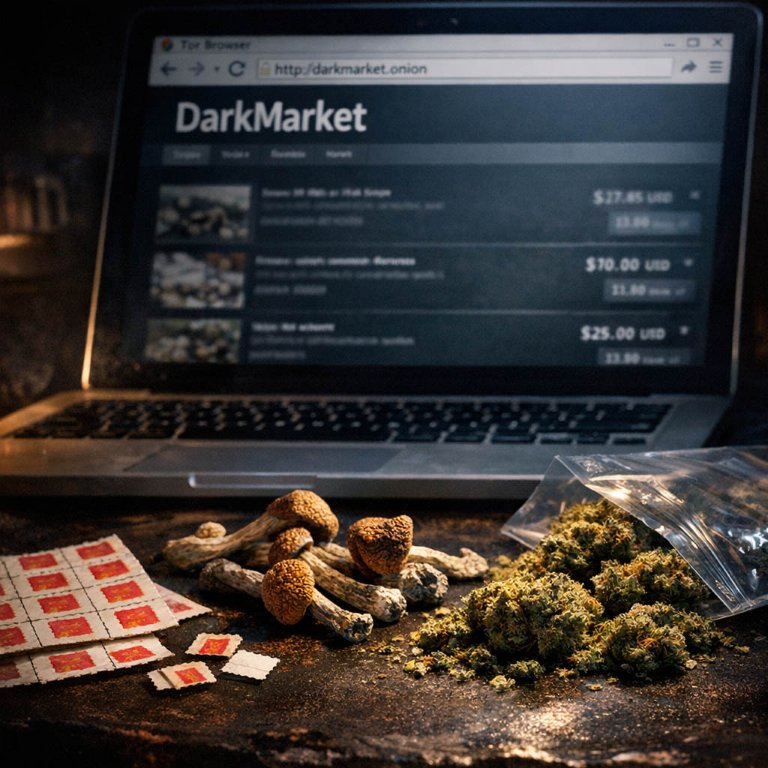
The logistical framework of darknet commerce is engineered for discreet and reliable delivery, a cornerstone for operational success. Vendors employ sophisticated stealth packaging techniques, making parcels indistinguishable from ordinary mail. This method neutralizes the primary risk of interception during transit.
Shipping options are diverse, with many vendors offering tracked shipping and reshipment guarantees if a package is lost. This creates a predictable and secure transaction flow. The system relies on established national postal services, leveraging their efficiency and volume to avoid scrutiny.
The process is standardized:
- A buyer completes a purchase using cryptocurrency.
- The vendor packages the product using stealth methods.
- The package enters the mainstream postal system with a valid return address.
- Tracking information is provided, mirroring legitimate e-commerce.
This logistical model minimizes human interaction and direct risk. The reliance on cryptocurrency escrow ensures payment is only released upon delivery confirmation, aligning vendor and buyer incentives for a successful transaction. The entire chain, from order to delivery, is optimized for anonymity and reliability, replicating the convenience of surface web commerce while adding critical layers of security.
How Darknet Markets Ensure Good Quality and Safe Sales
Quality control is a foundational element for commerce on the darknet, directly addressing the inherent challenge of establishing trust in an anonymous environment. These systems function as a decentralized replacement for traditional retail guarantees. The primary mechanism is a public feedback and review system, where buyers detail their experience with product purity, weight, and shipping speed. This creates a transparent and immutable record of vendor performance.
Disputes between buyers and vendors are managed by neutral third-party escrow services. The buyer's cryptocurrency is held in escrow until the product is received and verified, only then is the payment released to the seller. This protects both parties from fraud. For high-value transactions, some platforms employ multisignature escrow, requiring two out of three keys (from buyer, seller, and moderator) to authorize payment, adding another layer of security and impartiality.
Vendors invest significant effort in building a positive reputation, which acts as their most valuable capital. A vendor with thousands of positive reviews has a strong economic incentive to maintain consistent quality and reliable service. To further assure buyers, many vendors submit product samples to independent testing services operated within the darknet ecosystem. These services publish chemical analysis reports confirming the composition and potency of substances, which vendors then post alongside their listings. This objective verification reduces uncertainty for the buyer and rewards vendors for selling unadulterated products.
The cumulative effect of these integrated systemsreviews, escrow, and testingcreates a self-regulating marketplace. It establishes a framework where reliability and transactional security are not only possible but are actively enforced by the community and the platform's design, enabling consistent and secure commercial exchange.
How Darknet Markets Build Trust for Safer Trade
The integration of specific operational features on darknet platforms directly fosters a commercial environment that users perceive as reliable. This reliability is not accidental but is engineered through systems that address fundamental concerns of trust and transaction security in an anonymous setting.
The cornerstone is the escrow system, managed by the platform. Funds from a buyer are held in escrow until the product is received and confirmed. This mechanism protects the buyer from fraud and incentivizes the seller to fulfill the order properly. Upon confirmation, the funds are released. This creates a basic framework of enforced accountability.
This is reinforced by the reputation and feedback system. Every transaction concludes with public, detailed feedback and a rating, similar to conventional e-commerce but with higher stakes. A seller's entire business depends on maintaining a high average rating. This long-term reputation capital discourages opportunistic scams, as a single dispute can damage a carefully built profile. Buyers make informed decisions by analyzing this history.
Logistical and quality control features further solidify this reliability. Standardized stealth shipping protocols and the common practice of offering reships in case of non-delivery mitigate the risks of interdiction and loss. For certain substances, vendor-provided lab testing results or community-driven testing initiatives provide verifiable data on purity and composition. This reduces uncertainty about the product itself.
Together, these interconnected systemsescrow, reputation, logistics guarantees, and quality verificationcreate a self-regulating marketplace. They lower the perceived risk for both parties, making engagement in commerce feasible. The environment becomes predictable and structured, where consistent, high-quality service is rewarded with financial success, and poor performance is penalized by the market. This operational clarity is what allows for sustained commercial activity.
How the Darknet Makes Drug Trade Safe and Reliable
Dark web sites enable secure and reliable commerce by implementing systems that directly address the core challenges of anonymous digital trade. The foundation is cryptocurrency, primarily Bitcoin and privacy coins like Monero, which allows for pseudonymous financial transactions. This removes the need for traditional banking and enables direct, borderless payments between parties without revealing real-world identities.
Communication is secured through mandatory end-to-end encryption, often using PGP keys. Every message between a buyer and seller is encrypted, making interception and surveillance ineffective. This protects the content of negotiations, shipping details, and dispute resolutions.
Logistics have been refined for discretion and efficiency. Vendors utilize professional stealth packaging and domestic mailing techniques to ensure product integrity and nondescript delivery. This focus on operational security minimizes losses and builds buyer confidence in the delivery process.
Quality and vendor reliability are managed through transparent feedback systems. Each transaction concludes with detailed reviews and ratings, creating a powerful reputation mechanism. A vendor's history is publicly visible, incentivizing honest conduct and high-quality products. Disputes are typically handled by neutral escrow services managed by the marketplace, which hold funds until the buyer confirms satisfactory receipt, effectively mitigating fraud.
These integrated componentscryptocurrency, encrypted communication, refined logistics, and reputation-based feedbackcreate a self-regulating commercial environment. Trust is established not through personal identity but through verifiable transaction history and cryptographic security. This model demonstrates that robust, reliable online commerce can function by decentralizing trust and prioritizing user security and transactional transparency above all else.